

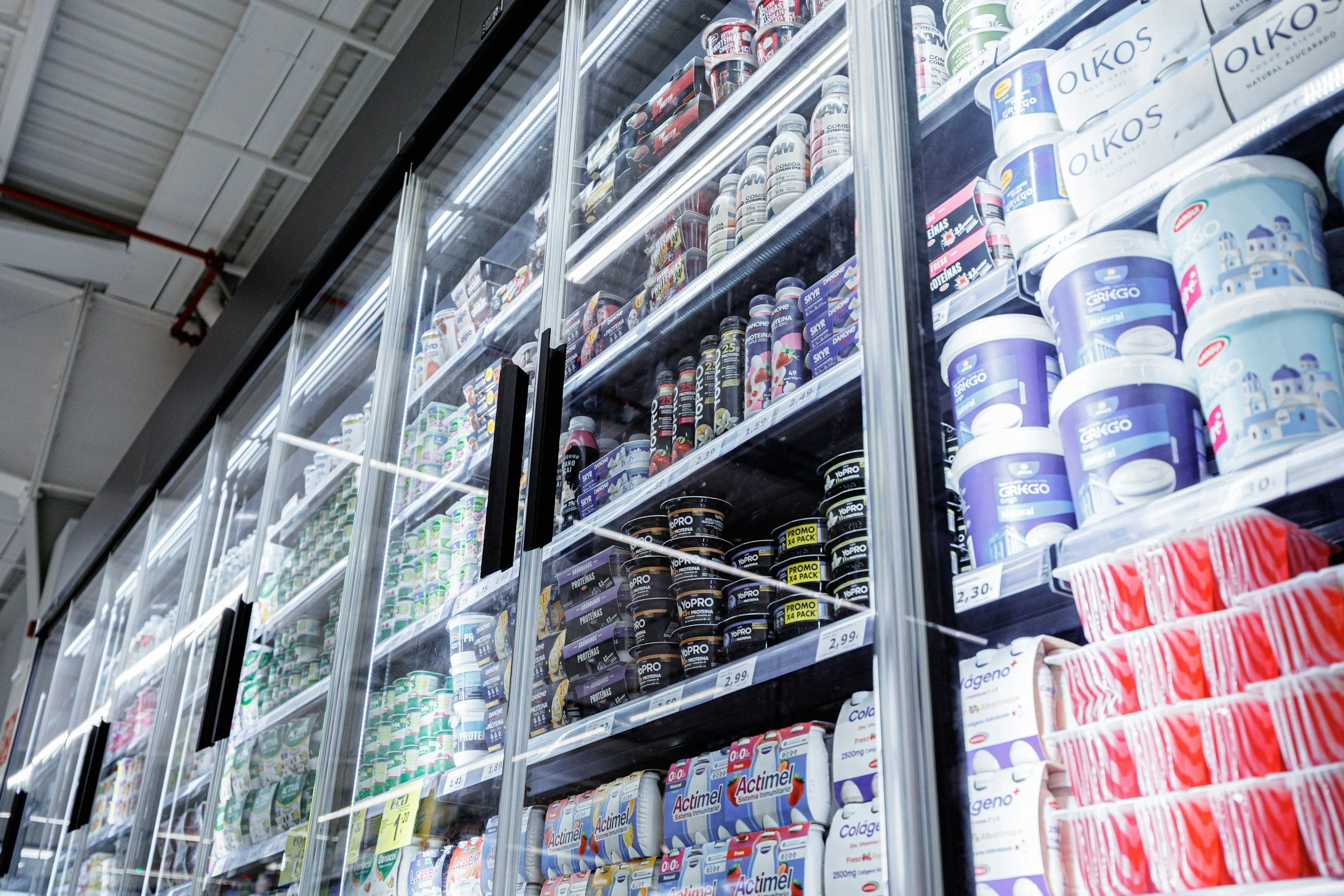
For people living with Avoidant Restrictive Food Intake Disorder (ARFID), eating is rarely just about hunger. It’s often shaped by fear, sensory sensitivity, past negative experiences, or concerns about safety and contamination. Because of this, many individuals with ARFID rely heavily on packaged foods, a pattern that is sometimes misunderstood or unfairly judged.
In reality, packaged foods can play an important and supportive role in nutrition for ARFID.
Why Packaged Foods Often Feel Safer
One of the defining features of ARFID is the need for predictability. Packaged foods offer a level of consistency that fresh or homemade foods often cannot. The taste, texture, smell, and appearance are usually the same every time, which reduces uncertainty and anxiety around eating.
For someone whose nervous system is already on high alert, that predictability can make the difference between being able to eat and skipping meals altogether.
Packaged foods also tend to be higher in caloric density. This means more energy can be consumed in smaller volumes of food, which can feel less overwhelming for individuals who struggle with fullness cues, nausea, or sensory overload. Getting adequate calories is an incredibly important part of supporting physical health, and packaged foods can help make that more accessible.
Fear of Contamination and Food Safety
For individuals with ARFID who experience fear of contamination, packaged foods may feel safer because they are sealed, labeled, and processed under standardized conditions. This sense of protection can lower anxiety and increase the likelihood that someone will eat consistently.
While these fears are often minimized or misunderstood, they are very real for many people with ARFID. Honoring what feels safe is an important part of building trust around food.
Starting Where Safety Exists
In therapy for ARFID, the goal is not to eliminate safe foods, but to use them as a foundation. Progress happens best when it is gradual and collaborative.
If chips feel safe, adding a familiar dip like salsa or guacamole might be a manageable next step. If fresh fruits feel overwhelming due to texture or unpredictability, canned or packaged fruit may feel more accessible. Expanding variety within packaged foods can be a meaningful form of progress, especially early in recovery.
There is no “right” pace. What matters is reducing distress while increasing nourishment over time.
Reframing Nutrition for ARFID
Nutrition for ARFID looks different than traditional nutrition advice. Health is not defined by food purity, freshness, or aesthetics. It is defined by consistency, adequacy, and a person’s ability to eat without fear.
Packaged foods are not a failure or a shortcut. For many people with ARFID, they are a bridge. Over time, with the right support, some individuals may choose to explore new foods or preparation styles. Others may continue to rely on packaged options long-term. Both paths are valid.
Moving Forward with Support
ARFID requires a compassionate, individualized approach. Therapy for ARFID focuses on reducing fear, increasing flexibility, and helping individuals reconnect with their bodies at a pace that feels safe.
If ARFID is impacting nutrition, daily functioning, or quality of life, support can make a meaningful difference. Healing does not start by taking food away. It starts by honoring what allows nourishment to happen at all. If you’re seeking support, I work with clients in MA, RI, VT, and NH. Please reach out to learn more about how I can help.
