
The Embodied Recovery Blog
Explore the tools for healing, reconnect with your body, and reclaim your authentic self.

Featured posts
You Don’t Have to Be Underweight to Have Anorexia
How Eating Disorders Differ: Orthorexia vs. Anorexia vs. Bulimia vs. BED
How to Know if You’re Suffering from Religious Trauma

Ready to take the next step with your recovery?
I’d love to support you. Use the buttons below to learn more about me and schedule a free consultation. I can’t wait to hear from you!
“I am stronger than I am broken.”
Roxanne Gay, Hunger: A Memoir of My Body

Different Levels of Eating Disorder Care and How to Know What is Right For You
When addressing eating disorder care, it's important to recognize that individuals have unique needs. This is why there are varying levels of eating disorder care— what works for one person may not be suitable for another. Individuals often require different levels of care at various stages of their recovery journey.

How Your Religious Trauma May Be Impacting Your Disordered Eating
If you have a religious upbringing and experience disordered eating, it's important to consider how these two areas of your life may be interconnected.

How Therapy Can Help You Parent a Teen with an Eating Disorder
Whether your child is already connected with a treatment team, or you are newly navigating and learning about your options, you need support. You’re navigating a unique experience that will have its ups and downs.
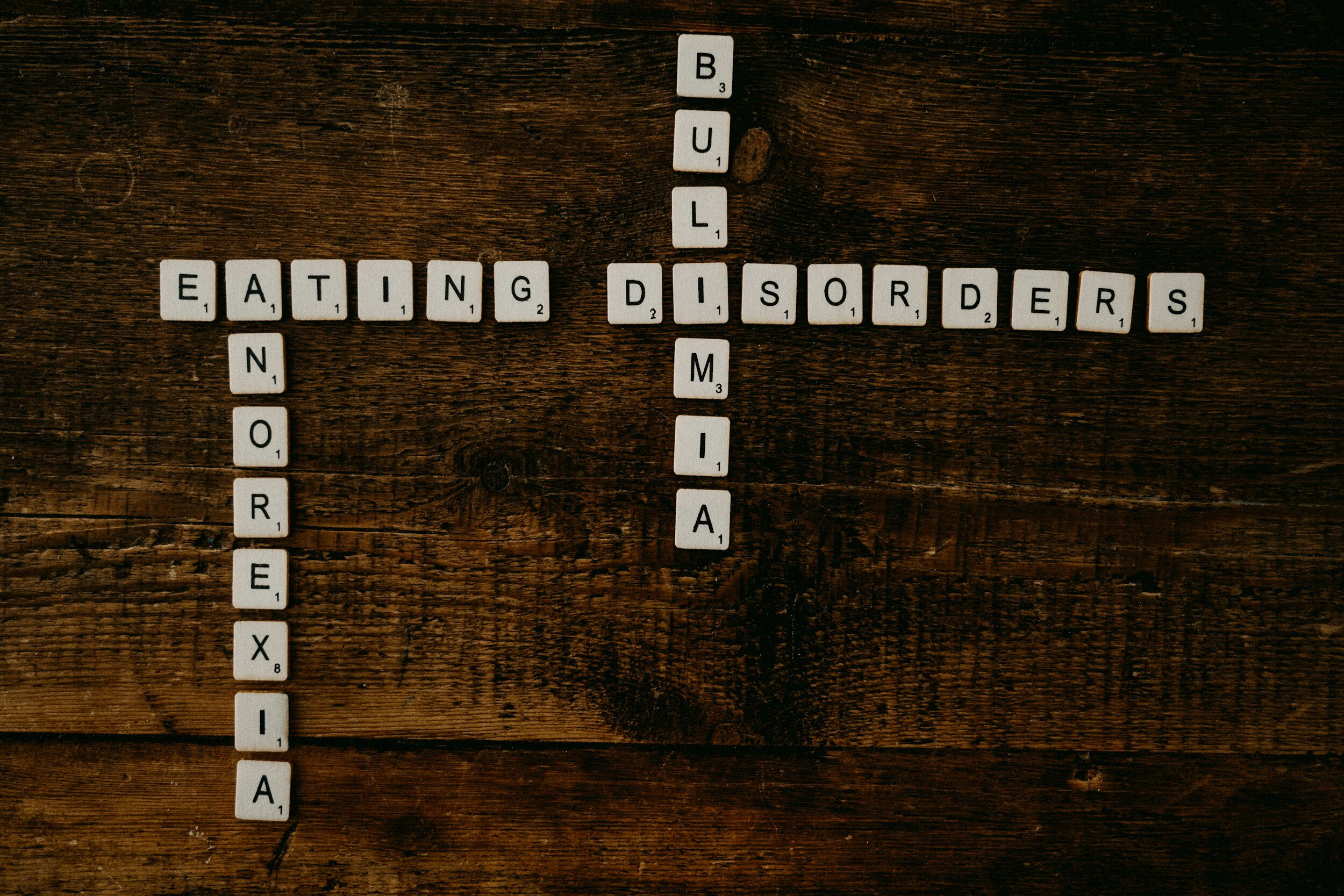
How Eating Disorders Differ: Orthorexia vs. Anorexia vs. Bulimia vs. BED
Though there are often overlapping similarities in eating disorders, it’s helpful to understand how specific they differ. Knowing the differences can assist with effective diagnosis, tailored treatment, improved awareness, and it can help reduce stigmas by minimizing misunderstandings.

3 Ways Avoidant Restrictive Food Intake Disorder (ARFID) is Different from Picky Eating
As an eating disorder therapist, I’m going to share my expertise on three ways Avoidant Retractive Food Intake Disorder (ARFID) is different from picky eating.

How Being Neurodivergent Can Impact Your Experience with an Eating Disorder
Neurodivergent individuals may struggle with sensory issues and executive functioning difficulties, hindering their ability to cultivate a positive relationship with food and often leading to negative impacts on their relationship with it.

The Four Cs of Setting Boundaries
I encourage Clients to follow the four Cs. Boundaries should be Clear, Consistent, Consequential and, when appropriate, Compassionate.